Osteoporosis is often described as “silent,” because many people don’t feel symptoms until a fracture happens. That’s exactly why physiotherapy can be so important: it helps improve strength, balance, posture, and safe movement, reducing the risk of falls and fractures over time. If you’re searching for physiotherapy for osteoporosis in Mumbai, this guide will help you understand what the treatment focuses on, how to choose the right approach, and what a typical plan may include.
---
What Osteoporosis Physiotherapy Actually Does
Physiotherapy for osteoporosis isn’t about “curing” bone density overnight. Instead, it aims to support your body so bones are better protected and daily life is safer.
A good osteoporosis physiotherapy plan usually focuses on four outcomes:
- Fall risk reduction through balance and stability training
- Strength improvement for hips, legs, and core (areas most linked to fractures)
- Posture and spinal control to reduce excessive strain and protect the back
- Safe movement and exercise education so you avoid movements that increase fracture risk
Many people assume physiotherapy equals gentle stretching only. In reality, when done correctly and safely, strengthening and functional training are central to osteoporosis management.
---
Who Should Consider Osteoporosis Physiotherapy?
You may benefit from physiotherapy if you:
- Have been diagnosed with osteopenia or osteoporosis
- Have a history of falling
- Have back pain, height loss, or suspected spinal compression fractures
- Experience stiffness, weakness, or reduced confidence moving
- Are on treatment but still need help with exercise guidance and safety
- Want a structured home exercise routine tailored to your condition
Even if you don’t have pain, physiotherapy can still be valuable for prevention—especially in older adults and people with mobility limitations.
---
Common Misconceptions (and What’s Safer)
Myth 1: “I should avoid all exercise”
While certain high-impact or risky movements may be discouraged, appropriate exercise is generally beneficial. The key is correct selection—type, intensity, and technique matter.
Myth 2: “Any strengthening is risky”
Strength training can be done safely with modifications. A physiotherapist should consider your:
- fracture history (if any)
- current pain level
- balance and gait quality
- spinal posture and tolerance to loading
Myth 3: “Physiotherapy is only for after a fracture”
In practice, physiotherapy may be just as important before fractures occur—to build stability and reduce the chance of falling.
---
What a Physiotherapy Assessment Usually Includes
When you attend a clinic in Mumbai for osteoporosis physiotherapy, the first step is typically a careful evaluation, which may include:
- Medical history review (osteoporosis treatment, fall history, fractures)
- Pain and function assessment (especially spinal symptoms)
- Posture analysis (kyphosis, forward head posture, spinal alignment)
- Balance and gait screening
- Range of motion and strength testing within safe limits
- Discussion of your daily activities—walking, stairs, getting up from a chair, household tasks, etc.
This helps the physiotherapist decide which exercises are appropriate and which movements should be avoided or modified.
---
Core Components of Osteoporosis Physiotherapy
1) Balance and Fall-Prevention Training
Falls often happen due to dizziness, uneven footing, poor balance reactions, or weakened leg strength. Physiotherapy targets:
- weight shifting (side-to-side control)
- standing stability with or without support
- stepping strategies (how to regain balance)
- walking mechanics and confidence training
2) Strength Training (With Safety Modifications)
Strengthening helps protect the hips, spine-supporting muscles, and legs.
Common focus areas include:
- glutes and hip stabilizers
- quadriceps and hamstrings
- core control and trunk endurance
- functional strength for sit-to-stand and stair climbing
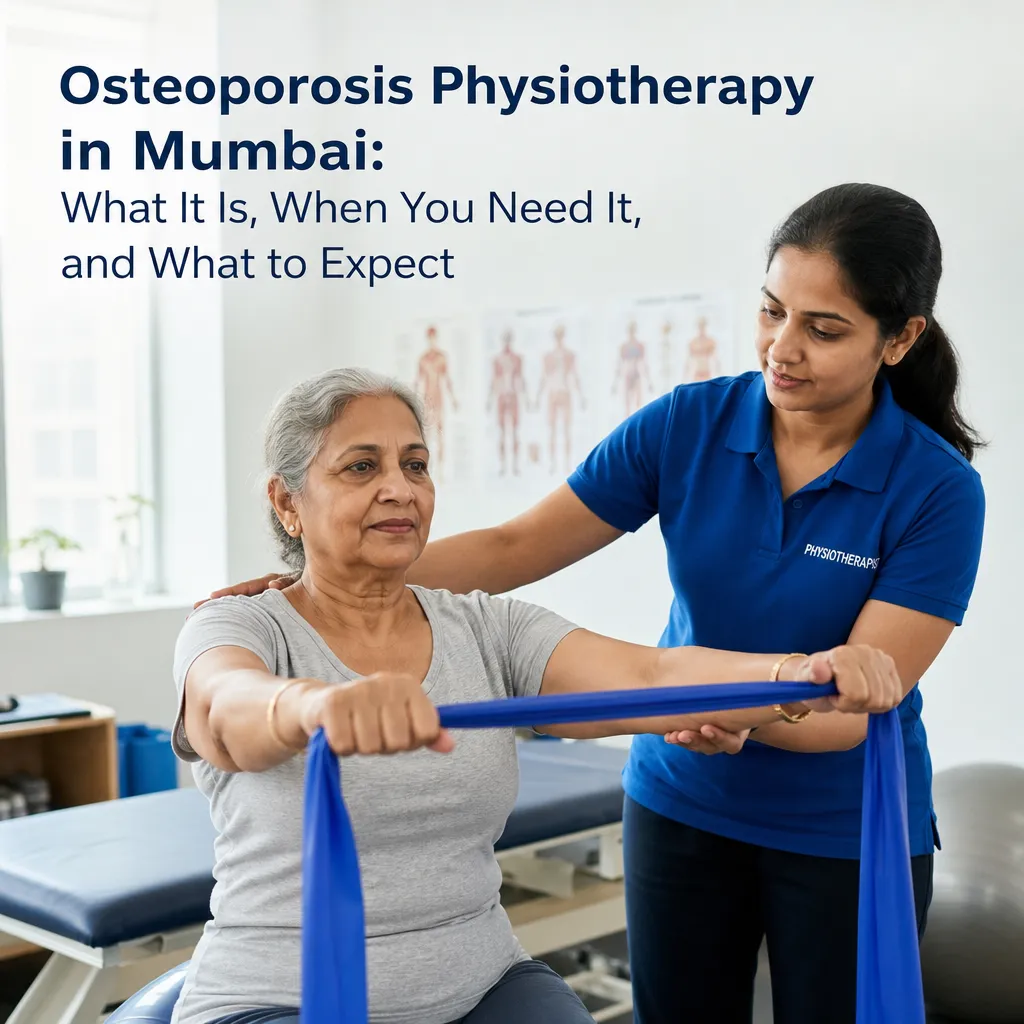
Depending on your status, exercises may include bodyweight training, resistance bands, or carefully progressed machine-based strengthening.
3) Posture and Spinal Support
Osteoporosis often leads to changes in spinal posture. Physiotherapy can help you learn supportive movement habits and train muscles that maintain better alignment.
A physiotherapist may work on:
- thoracic posture control
- safe spinal movement strategies
- breathing and core stabilization techniques
- activity modifications to reduce spinal loading
4) Mobility and Joint Confidence
Stiffness can increase fall risk and reduce functional independence. Gentle mobility work may be included, but it should respect spinal safety—especially if compression fracture risk is present.
5) Education for Daily Life
This is where many patients gain immediate value. Education can include:
- how to lift items safely (and avoid twisting under load)
- how to get up from the bed or chair without provoking pain
- how to move during household activities
- footwear and environmental safety (rugs, lighting, slippery floors)
---
Exercise Types: What’s Commonly Used and Why
While every plan is individualized, osteoporosis physiotherapy often uses a mix of:
- Progressive resistance training (strengthening)
- Weight-bearing activities (as tolerated)
- Low- to moderate-impact movements (only when appropriate)
- Core stabilization and trunk endurance work
- Gait and stepping drills for protective reactions
Your physiotherapist should clearly explain the “why” behind each exercise so you know what success looks like.
---
How Pain or Previous Fractures Change the Plan
If you’ve had a spinal compression fracture or persistent back pain, your physiotherapy plan will likely change. A good approach includes:
- pacing and graded activity (avoiding sudden spikes in intensity)
- careful technique for trunk work
- monitoring “flare-ups” and adjusting exercises accordingly
- sometimes emphasizing pain-relief strategies alongside strengthening
In cases of severe pain or new neurological symptoms, medical follow-up is essential.
---
How to Choose Osteoporosis Physiotherapy in Mumbai
When searching locally, look for these practical signs:
- Assessment-first approach (not a one-size-fits-all routine)
- Clear focus on balance + strength + safe movement education
- Experience working with bone health conditions and fall-risk reduction
- Ability to tailor the program for your fracture history, age, and pain level
- A plan for progression—how exercises will become harder over time
For many Mumbai residents, it can also help to choose a physiotherapy setup that’s conveniently located (so attendance doesn’t suffer) and provides guidance that you can practice consistently at home.
If you’re exploring options in the city, some clinics—such as Dr. Ayaz Physiotherapy, Weight Loss, Hair Lose And Skin Clinic—may also have trained physiotherapy support alongside broader healthcare services, which can be useful when patients need an integrated routine. However, the most important factor is the physiotherapy plan itself: safety, progression, and individualized training for osteoporosis.
---
What Results to Expect (and How Long It Takes)
Osteoporosis physiotherapy results vary, but many people notice:
- improved confidence walking and turning
- better posture awareness
- reduced fear of falling
- stronger legs for daily tasks
- improved tolerance for stairs and household activities
Progress often takes weeks to months, not days. The most sustainable gains come from consistent exercise—especially strength and balance work done as instructed.
---
FAQs People Commonly Ask
Is physiotherapy safe for osteoporosis?
Yes—when tailored properly. Certain movements or exercises may be modified or avoided based on your fracture risk and symptoms.
Should I do physiotherapy if I feel fine?
Often yes. If you have osteoporosis or risk factors, prevention-focused training can help reduce future falls and complications.
Can osteoporotic pain be treated with physiotherapy?
Physiotherapy can help manage pain through posture training, gentle mobility (as appropriate), core stabilization, and movement education—but severe or worsening pain should be medically assessed.
---
Takeaway: The Goal Is Stronger, Safer Movement
Osteoporosis physiotherapy is about more than exercise—it’s about building a safer body for daily life. With a proper assessment and a plan that includes strength, balance, posture support, and education, many patients can reduce fall risk and move with greater confidence.
Keywords