
+918042754929

Currently it only shows your basic business info. Start adding relevant business details such as description, images and products or services to gain your customers attention by using Boost 360 android app / iOS App / web portal.

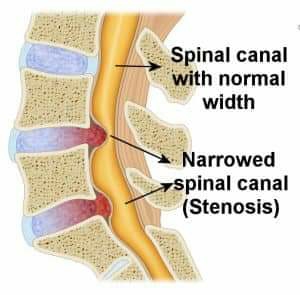
SPINAL STENOSIS Spinal stenosis (or narrowing) is a common condition that occurs when the small spinal canal, which contains the nerve roots and spinal cord, becomes compressed. This causes a “pinching” of the spinal cord and/or nerve roots, which leads to pain, cramping, weakness or numbness. Depending on where the narrowing takes place, you may feel these symptoms in the lower back and legs, neck, shoulder or arms. Usually, the narrowing is caused by osteoarthritis, or “wear and tear” arthritis, of the spinal column and discs between the vertebrae (the bones of the back). It may also be caused by a thickening of the ligaments in the back, as well as by a bulging of the discs that separate the vertebrae. Symptoms of spinal stenosis often start slowly and get worse over time. Your physical therapist will do a physical exam. Some symptoms he will look for include: Numbness, weakness, cramping or pain in the legs, thighs or feet that makes it hard to walk Pain that goes down the leg Abnormal bowel/and or bladder function Loss of sexual function In severe cases, partial or complete leg paralysis. This is considered a medical emergency and you should get to an emergency room as quickly as possible. Exercise In spinal stenosis Regular exercise can help you build and maintain strength in the muscles of your arms and upper legs (the hip adductors and abductors, quadriceps and hamstrings). This will improve your balance, ability to walk, bend and move about, as well as control pain. A physical therapist can show you which exercises are right for you. #SpinalStenosis #ImmediateCare #AddingYearsToLife #PainIsNotALifeStyle #PhysicalTherapy


